• MAY 10, 2023
    • 0
    Pre-IVF testing –  MediPocket Surrogacy USA

    Pre-IVF testing – MediPocket Surrogacy USA

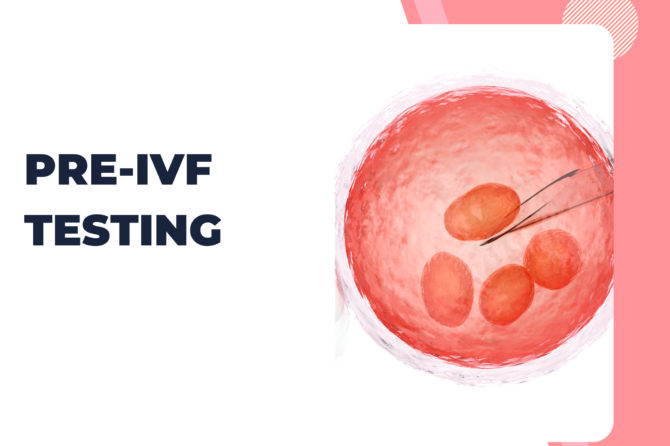
    Pre-IVF testing, also known as fertility testing or an infertility workup, is a series of medical evaluations and diagnostic tests performed on both partners prior to IVF. The goal of pre-IVF testing is to identify any potential fertility issues or underlying medical conditions that may interfere with IVF treatment success. Pre-IVF testing typically includes a thorough medical history review, physical examination, and laboratory testing.  Pre-IVF testing done in Female Some of the Common Pre-IVF testing are as follows: Cycle day 3 blood tests for FSH and Estradiol, as well as AMH As part of the pre-IVF testing process, cycle day 3 blood tests for FSH (follicle-stimulating hormone), estradiol, and AMH (anti-Mullerian hormone) are commonly performed. FSH is a pituitary hormone that plays an important role in the development of follicles in the ovaries, which then produce eggs. The FSH test measures the level of FSH in the blood on cycle day 3, which is the third day of a woman’s menstrual cycle. High FSH levels can indicate a diminished ovarian reserve, which means fewer eggs and a lower chance of conception. Estradiol is an oestrogen that is produced by the ovaries. The estradiol test, which measures the level of estradiol in the blood, is also performed on cycle day 3. High levels of estradiol can indicate that the ovaries are already producing follicles, which can make it difficult to stimulate the ovaries properly for IVF. AMH is a hormone produced by ovarian follicles that serves as a predictor of ovarian reserve. The AMH test, which measures the level of AMH in the blood, is typically performed at any time during the menstrual cycle. A low AMH level may indicate a depleted ovarian reserve, which may limit the number of eggs that can be retrieved during an IVF cycle. Fertility specialists can assess a woman’s ovarian reserve and potential response to IVF treatment by performing these cycle day 3 blood tests. This data is then used to create a personalised treatment plan that increases the chances of a successful pregnancy. Mid-Cycle Ultrasound Mid-cycle ultrasound, also known as follicular monitoring ultrasound, is a type of medical imaging test used to track the development of follicles in a woman’s ovaries during her menstrual cycle. It is typically performed on days 10-12 of the menstrual cycle, which is considered the cycle’s midpoint. A transvaginal ultrasound probe is inserted into the vagina and used to produce detailed images of the ovaries and follicles during the procedure. The thickness of the endometrial lining, as well as the size and number of follicles, are measured and recorded. Follicular monitoring ultrasound is a useful tool in the pre-IVF testing process because it allows fertility specialists to assess the development of follicles in the ovaries, which contain the eggs that will be retrieved for IVF. The ultrasound results are used to adjust the patient’s medication dosage, medication timing, and egg retrieval procedure timing. Fertility specialists can improve the chances of a successful IVF cycle by performing mid-cycle ultrasounds to ensure that the follicles are developing properly and are of optimal size for egg retrieval. This data can also be used to predict the likelihood of multiple pregnancies, which is useful for counselling patients and making informed decisions about how many embryos to transfer during IVF. Hysterosalpingogram (HSG) A hysterosalpingogram (HSG) is a medical imaging test used to assess the health and function of a woman’s uterus and fallopian tubes. It is a type of X-ray in which a contrast dye is used to highlight the reproductive organs and allow doctors to see any blockages, abnormalities, or other issues that may be affecting fertility. A thin catheter is inserted through the cervix and into the uterus during the procedure. The uterus is then injected with a contrast dye, which flows through the fallopian tubes. X-ray images are taken as the dye moves through the reproductive tract to document its progress and any blockages or abnormalities that may be present. A hysterosalpingogram is usually done during the first half of a woman’s menstrual cycle, just before ovulation. It can aid in the diagnosis of a variety of fertility-related conditions, such as uterine fibroids, polyps, or adhesions, as well as tubal blockages or abnormalities. The HSG results can be useful to fertility specialists during the pre-IVF testing process. In some cases, blockages or abnormalities discovered during the HSG can be treated with minimally invasive procedures such as hysteroscopy or laparoscopy to increase the likelihood of a successful IVF cycle.  Hysterosonogram A Hysterosonogram is a type of ultrasound test used to assess the health of the uterus. It is also known as a saline sonogram or sonohysterogram.  A sterile saline solution is injected into the uterus via a small catheter inserted into the cervix during a Hysterosonogram. The saline solution helps to expand the uterine cavity, making any abnormalities easier to see. The uterus is then imaged using an ultrasound probe, allowing the doctor to look for any growths, adhesions, or other abnormalities. The results of a Hysterosonogram can be useful to fertility specialists during the pre-IVF testing process. Uterine abnormalities discovered during the test may be treatable with minimally invasive procedures such as hysteroscopy, increasing the likelihood of a successful IVF cycle. Hysteroscopy Hysteroscopy is a minimally invasive diagnostic and surgical procedure that allows doctors to examine and treat various conditions inside the uterus. It is usually done as part of pre-IVF testing to detect and treat any underlying uterine abnormalities that may interfere with fertility. A thin, lighted tube with a camera on the end (called a hysteroscope) is inserted into the uterus through the cervix during a hysteroscopy. The camera allows the doctor to see the inside of the uterus on a monitor and identify any abnormalities like polyps, fibroids, or adhesions. If an abnormality is discovered, the doctor may remove or correct it with special instruments during the same procedure. This may include the removal of polyps or fibroids, the cutting of adhesions, or the resection of uterine

    Read more

    • FEBRUARY 16, 2023
    • 0
    Male and female infertility

    Male and female infertility

    Infertility is a condition that affects both men and women for a variety of reasons. Female infertility is common, whereas male infertility is rarely discussed, particularly in India. Even though it is a medical condition that prevents women from having children, some regions in India do not recognise it as such, instead viewing it as a discriminatory and stigmatizing issue. A woman who is unable to conceive is dependent not only on herself, but also on men. Men can experience infertility for a variety of reasons. Let us talk about it to learn more. Women infertility In India, approximately 28 million women are affected by infertility.. It is a complex issue that can have a variety of causes, including hormonal imbalances, problems with the reproductive organs, or underlying medical conditions. Infertility can have a profound impact on a woman’s emotional and mental well-being, as well as on her relationships and overall quality of life. However, with advances in medical technology and fertility treatments, many women are able to overcome infertility and achieve their dream of starting a family. Early diagnosis and treatment are key to improving the chances of success. Fallopian tube The fallopian tube is a female reproductive organ that connects the ovaries to the uterus. It is a narrow tube that is lined with cilia, tiny hair-like projections that help move the egg towards the uterus. The fallopian tube plays a crucial role in fertilization, as it is where the sperm typically meets the egg. After fertilization, the fertilized egg then travels through the fallopian tube to the uterus, where it can implant and develop into a fetus. Any damage or blockage to the fallopian tube can impact a woman’s fertility, making it difficult to conceive naturally.In the event of a pregnancy, the fallopian tubes are crucial. As a result, when they are partially or completely blocked or damaged, the chances of women becoming pregnant are drastically reduced. Tube damage can be caused by surgical issues, ectopic pregnancy, or endometriosis. Endometriosis Endometriosis is a medical condition that affects the reproductive system in women. It occurs when tissue similar to the lining of the uterus grows outside of it, causing inflammation and pain. This tissue can attach to other organs in the pelvic area, such as the ovaries or fallopian tubes, and can cause scarring and infertility. Endometriosis can cause severe pain during menstrual periods, intercourse, and bowel movements. It is a chronic condition that affects millions of women worldwide, and it can significantly impact their quality of life. Early diagnosis and proper treatment can help manage the symptoms and prevent complications.. Endometrial tissues may enter the abdominal tissue and attach themselves to the organ. Hormonal imbalance Hormonal imbalances can be a common cause of infertility in both men and women. In women, hormonal imbalances can affect ovulation and prevent the release of eggs necessary for fertilization. Common hormonal imbalances that affect fertility in women include thyroid disorders, polycystic ovary syndrome (PCOS), and irregular menstrual cycles. In men, hormonal imbalances can affect sperm production and quality, and can be caused by conditions such as hypogonadism or pituitary disorders. Treatment for hormonal imbalances may involve lifestyle changes, medications, or hormone therapy to regulate hormone levels and improve fertility. Seeking medical advice from a fertility specialist can help diagnose and treat hormonal imbalances related to infertility. Other causes of female infertility include tube abnormalities and antibodies against sperm and oocytes. Talk to a gynecologist expert now Men infertility In India, approximately 20 million men are infertile. Male infertility refers to a man’s inability to father a child due to low sperm count, abnormal sperm function, or other issues related to sperm health. It can be caused by a variety of factors, including genetic abnormalities, hormonal imbalances, infections, and lifestyle choices such as smoking, drug use, and excessive alcohol consumption. Male infertility can be diagnosed through semen analysis and other tests, and treatment options include medications, lifestyle changes, and assisted reproductive technologies such as in vitro fertilization (IVF) and intrauterine insemination (IUI). Men experiencing infertility should seek the guidance of a healthcare professional to determine the underlying cause and discuss appropriate treatment options. Imperfect sperm maturation Male infertility can begin with sperm maturation problems. Perfect production requires a normal percentage of 20 milligrammes per millilitre and 30% normal formed sperm. Sperm maturation is hampered when the number is reduced. Low-quality sperm cannot enter oocytes due to a variety of factors such as the environment, tobacco use, endocrine disorders, and so on. Vas deferens The vas deferens is a tube that carries sperm from the testicles to the urethra in the male reproductive system. It is a long, muscular tube that is responsible for propelling sperm through the male reproductive tract during ejaculation. The vas deferens plays a critical role in male fertility and is essential for natural conception. In some cases, the vas deferens may be obstructed or damaged, leading to male infertility. Treatment options for vas deferens issues may include surgical intervention or assisted reproductive technologies, such as in vitro fertilization (IVF) or intrauterine insemination (IUI). Just as fallopian tube defects cause infertility in women, vas deferens obstruction prevents sperm cells from entering the woman’s body. Causes include vasectomy and epididymitis. Does India accepts it? While India is still lagging behind in terms of accepting infertile women and men, the stigma surrounding alternative options such as IVF and surrogacy persists. It is past time for people to accept and embrace surrogacy and IVF because for some, these options can bring new life and purpose to their lives. MediPocket World raises awareness about surrogacy among Indians and hopes to assist every other Indian couple in bringing a bundle of joy into their home. Subscribe to learn more.  

    Read more
    • MARCH 13, 2023
    • 0
    LGBTQ+ couples and surrogacy

    LGBTQ+ couples and surrogacy

    We’ve seen and heard that many couples opt for surrogacy to start or expand their family. They have their own set of reasons for using this procedure, and they are clearly pleased with it. But did you know that LGBTQ+ couples can use surrogacy to add a child to their family? Surrogacy is quite popular among the gay community since it allows them to expand their family and become parents just like heterosexual couples.   We shall learn why LGBTQ+ couples choose surrogacy in the following article. What is LGBTQ+ community?   LGBTQ+ is an abbreviation that stands for Lesbian, Gay, Bisexual, Transgender, and Queer, with the plus sign representing other identities within the community. This word refers to a wide range of people who identify as non-heterosexual and non-cisgender.   Lesbian: A woman who has feelings for other women. Gay: A guy who is attracted to other males, or an umbrella term for all persons who are attracted to the same sex. Bisexual: Someone who is attracted to persons of both genders. Transgender: Someone whose gender identification differs from the sex given to them at birth. Queer: An umbrella word for anyone who identifies as something other than heterosexual and/or cisgender. Other identities include, but are not limited to, asexual, intersex, genderqueer, non-binary, and questioning people.   Because of their sexual orientation or gender identity, the LGBTQ+ group suffers significant problems and persecution. Individuals may face harassment, discrimination, and violence in a variety of settings, including school, work, healthcare, and housing. Several nations have made great progress in legalizing same-sex marriage, recognizing gender identity, and safeguarding LGBTQ+ persons from discrimination as the LGBTQ+ community has fought for equal rights, visibility, and acceptance.   Gay surrogacy   Gay surrogacy, also known as same-sex surrogacy, is a sort of surrogacy arrangement in which a homosexual couple or a single gay man employs a surrogate mother to carry and give birth to a child. The intended parents in this sort of arrangement are often homosexual males who are unable to conceive naturally owing to their sexual orientation.   Finding a surrogate mother through a surrogacy service or personal relationships is generally the first step in the gay surrogacy process. The intended parents then collaborate with the surrogate mother to draft an agreement outlining the surrogacy arrangement’s parameters, including any financial remuneration, medical treatments, and legal rights and obligations.   The intended parents can use their own sperm or that of an anonymous sperm donor to fertilise the surrogate mother’s egg via in vitro fertilisation (IVF). The resultant embryo is then transferred to the uterus of the surrogate mother for implantation and gestation.   The intended parents may be involved in various aspects of the surrogate mother’s care throughout the pregnancy and may attend prenatal appointments and the child’s birth. Following the delivery, the intended parents become the child’s legal parents, and the surrogate mother relinquishes her parental rights.   Gay surrogacy can give a way to fatherhood for homosexual men who are unable to conceive naturally, as well as the opportunity to establish a biological relationship with their kid.   What options do LGBTQ+ couples have?   Same-sex couples interested in surrogacy have various possibilities. These are some examples:   Traditional surrogacy: traditional surrogacy involves fertilising the surrogate mother’s egg with the intended father’s sperm or donor sperm, and implanting the resultant embryo in the surrogate’s uterus.   Gestational surrogacy: In gestational surrogacy, the surrogate mother carries an embryo generated with the egg and sperm of the intended parents or donors, or with donor egg and sperm.   Donation of eggs or sperm: Same-sex couples may opt to utilise donor eggs or sperm to generate embryos for surrogacy.   Surrogacy agency: Same-sex couples may want to collaborate with a surrogacy agency to find a surrogate and handle the surrogacy procedure.   Independent surrogacy: Same-sex couples may opt to find a surrogate on their own, either through personal relationships or through surrogacy advertisements.   Foreign surrogacy: Some same-sex couples may opt to seek surrogacy in a country where the laws are more permissive or the fees are lower.   Why do same-sex couples prefer surrogacy?   Surrogacy may be used by LGBTQ+ couples to have biological children if they are unable to conceive naturally owing to their sexual orientation. Surrogacy provides same-sex couples with a genetic link to their kid, which might be essential for certain couples.   Also, same-sex couples may choose surrogacy because they desire more control over their pregnancy and child’s upbringing. Surrogacy allows intended parents to be engaged in the pregnancy and delivery of the kid, as well as having a bigger voice in decisions concerning the child’s upbringing.   Lastly, same-sex couples may choose surrogacy because it can give a feeling of emotional fulfilment and family building that other methods, such as adoption or donor insemination, may not deliver. Surrogacy allows same-sex couples to have a biologically related family, which can be a significant aspect in their decision-making process.   Benefits of surrogacy for LGBTQ+   The following are some of the advantages of same-sex surrogacy:   Biological connection:Same-sex surrogacy allows couples to have a biological tie to their kid, which might be significant for certain couples. Control over the pregnancy: Surrogacy allows intended parents to be part in the pregnancy and birthing process, giving them more control over the experience. Customization of the process: Same-sex couples can tailor the surrogacy process to their own requirements and preferences, including the choice of surrogate mother, medical procedures, and surrogate mother involvement in the child’s life after delivery. Emotional fulfilment: Surrogacy can bring a feeling of emotional fulfilment and family building that other methods, such as adoption or donor insemination, may not deliver. Legal recognition: Surrogacy provides a legal road to parenting for same-sex couples in many countries, allowing them to establish legal parentage and acquire the same legal rights and protections as heterosexual couples.   As a result of the preceding blog, we can comprehend why LGBTQ+ people

    Read more
    • MARCH 13, 2023
    • 0
    IVF vs Surrogacy vs Adoption

    IVF vs Surrogacy vs Adoption

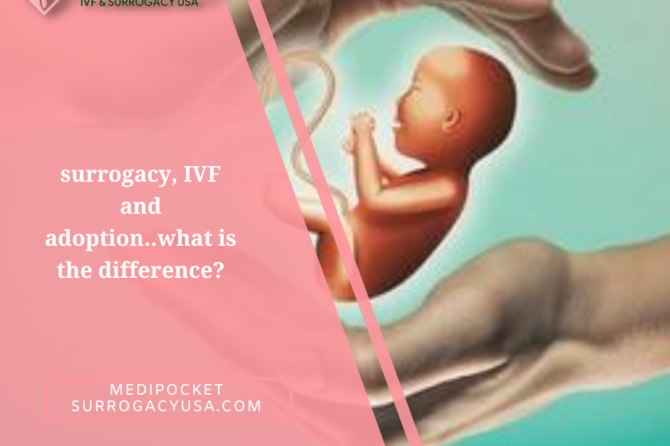
    As the country evolves and people become more receptive to numerous new ideas, they are also adopting some of them for their own good. One example is conceiving a kid by unnatural methods. Surrogacy, adoption, and IVF are examples of these approaches. While we have some knowledge of the approaches stated, we must also understand the distinctions between them. This can also assist folks have a better understanding of the strategies and possibly employ them in the future.   In-vitro fertilisation IVF is an abbreviation for In Vitro Fertilisation, which is a sort of assisted reproductive technology (ART) intended to aid people or couples who are having difficulty conceiving a child. IVF is the process of fertilising eggs with sperm outside of the body, in a laboratory dish, and then transferring the resultant embryos into the uterus of the intended mother or a surrogate.   Method of IVF   Ovarian stimulation, egg retrieval, fertilisation, embryo culture, and embryo transfer are all milestones in the IVF procedure. The use of fertility medicines to stimulate the ovaries to generate numerous eggs is known as ovarian stimulation. Egg retrieval is a minimally invasive surgical technique that uses an ultrasound-guided needle to extract eggs from the ovaries under sedation or anaesthesia.   Depending on the quality of the sperm, the eggs are fertilized in a laboratory dish with sperm taken from the male partner or a donor, using either traditional insemination or intracytoplasmic sperm injection (ICSI). The embryos that arise are then incubated in the laboratory for many days to allow them to develop and flourish.   Ultimately, the developing embryos are transported into the uterus of the prospective mother or surrogate via an ultrasound-guided thin catheter. Following the embryo transfer, the woman may be given drugs to help the embryos implant in her uterus. IVF is a complicated and frequently costly operation that necessitates the careful monitoring and management of a team of medical specialists, including reproductive endocrinologists, embryologists, and nurses. While IVF is not always successful, it has assisted many couples who would not have been able to conceive and have children otherwise.   Benefits of IVF   IVF offers various advantages, including:   Overcoming infertility: IVF is an excellent treatment for couples who are unable to conceive for a variety of reasons, including blocked fallopian tubes, low sperm count, or endometriosis. High success rate: IVF has a better success rate than other reproductive therapies such as intrauterine insemination (IUI). The success rate of IVF is determined by various factors, including the woman’s age, the quality of the eggs and sperm, and the experience of the fertility facility. Genetic screening: IVF allows for the genetic screening of embryos before implantation. This aids in the detection of any genetic problems or chromosomal abnormalities in the embryos, increasing the likelihood of a healthy pregnancy and baby. Control over timing: IVF gives couples more flexibility over the timing of their pregnancy. The menstrual cycle of a woman can be controlled to ensure that egg harvesting and embryo transfer occur at the optimal period for conception. Donation eggs, sperm, or embryos: IVF gives possibilities for couples that require donor eggs, sperm, or embryos. Couples who are unable to conceive with their own eggs or sperm might nonetheless have a biological link to their kid. Fertility preservation: IVF allows couples to save embryos for future use. This is advantageous for women who choose to postpone having children for personal or medical reasons, or for couples who wish to protect their fertility before receiving cancer therapies that may impair fertility.   Surrogacy  Surrogacy is the practice of a woman agreeing to bear and give birth to a child on behalf of another person or couple. The surrogate mother is the woman who bears the kid, while the intended parents are the ones who will raise the child after delivery.   Surrogacy is an option for those who are unable to produce a child for a variety of reasons, including infertility, medical issues, or same-sex couples who desire to have a biological child. The method consists of several processes, including medical and legal procedures, and it can be traditional or gestational surrogacy.   Types of surrogacy   Traditional surrogacy involves the surrogate mother being artificially inseminated with the intended father’s sperm, which implies she is genetically connected to the kid. Nevertheless, since gestational surrogacy has grown in popularity, this procedure is becoming less prevalent.   The surrogate mother carries a fertilised egg obtained by in vitro fertilisation in gestational surrogacy (IVF). The fertilised egg is formed using the intended parents’ or donors’ eggs and sperm, and it is then inserted into the surrogate mother’s uterus. The surrogate mother is not genetically connected to the kid in this approach.   Surrogacy may be a complicated procedure, and it is critical to have a formal legal agreement in place before beginning to ensure that all parties involved understand their rights and duties.   Benefits of surrogacy   Surrogacy advantages might vary based on the intended parents’ or persons seeking surrogacy’s personal scenario. Here are some of the possible advantages of surrogacy:   Biological connections: Surrogacy allows intending parents to establish a biological relationship with their kid. Depending on the circumstances, the intended mother can use her own eggs and the intended father can use his own sperm, or donor eggs or sperm can be utilised Control over pregnancy: Intended parents have control over the pregnancy and may be involved in critical decisions such as prenatal care and diet, which can result in a healthy pregnancy and infant. Parenthood opportunity: Surrogacy can enable those who are unable to carry a pregnancy or conceive naturally with the option to become parents. Legal protection: Surrogacy agreements are legally recognized in some countries and give intended parents legal protection. Emotional support: In many surrogacy agreements, the intended parents and surrogate have a close relationship, which may give emotional support and a great experience for everyone involved. Decreased risk of medical issues: Surrogacy can lower

    Read more

Photostream