• DECEMBER 12, 2025
    • 0
    Explaining Surrogacy to Your Child

    Explaining Surrogacy to Your Child

    Surrogacy is a beautiful path to parenthood — but when it comes to explaining it to your child, many intended parents find themselves wondering where to begin. Whether your child was born via surrogate or you are growing your family and want to talk about an ongoing journey, sharing your story with honesty, love, and age-appropriate language is essential. Why This Conversation Matters? For children, understanding where they come from is part of building confidence, identity, and emotional security. Openly talking about surrogacy — instead of avoiding the topic — creates a trusting environment where your child knows they are loved and cherished no matter how your family came to be. Experts recommend approaching this discussion as early as possible — even from infancy — so that the idea of their surrogacy story becomes a natural part of their life narrative rather than something hidden or noteworthy later on. Meet Your Child Where They Are Children think and understand the world differently at various stages of development, so your explanation should be age-appropriate, simple, and honest. For Toddlers (2–4 years) Use very basic language: “A lovely lady helped carry you because we wanted you so much.”This sets the foundation without complexity. For Preschoolers (4–6 years) You can expand with gentle clarity: “Some parents need help from a surrogate to have a baby, and she helped bring you into our family.”Books designed for young children about diverse families can help normalize the concept. For School-Age Children (6–12 years) At this stage, children can ask specific questions and can handle more information. You can explain: What surrogacy means Why your family chose this path Who the surrogate isAgain, be ready to reassure them that their family comes first and that the surrogate helped make the family whole. For Teens (13+ years) Older children often want more detail: how the pregnancy worked, genetic relationships, and the decision process. At this age, being transparent helps build trust and respect. Expect Questions — Big and Small Kids may ask a wide range of questions depending on their age: “Were you in Mommy’s tummy?” “Who carried me?” “Why was this needed?” “Can I meet the surrogate?” The key is to answer openly and honestly with simplicity first, and expand only if they ask for more. Staying calm and positive builds trust and shows your child that their story is something to be proud of. Tips for Meaningful Conversations Here are practical strategies to help make each talk supportive and loving: 1. Use Age-Appropriate Books and Stories Children’s books about surrogacy can turn abstract ideas into relatable examples. 2. Involve Your Child in the Process (When Appropriate) Older siblings can even participate in simple gestures — like making a card or gift for the surrogate — which creates a sense of involvement and empathy. 3. Normalize the Topic Early and Often Starting early and revisiting the story with age-appropriate depth helps children feel secure and confident about their family’s unique path. 4. Emphasize Love, Not Labels Above all, remind your child frequently that they are deeply loved and that surrogacy is one beautiful way your family grew — not something mysterious or unusual. Helping Your Child Accept Their Surrogacy Story A child’s understanding of surrogacy will evolve. What starts as a simple explanation in early childhood can grow into a deeper, more meaningful discussion as they mature. Making sure they always feel free to ask questions — and that you are always ready to answer — helps them integrate their story into who they are with pride. Many families find that when the topic is treated with warmth and honesty, children grow up feeling proud of the love and effort that went into bringing them into the world. “Quotes Credit: Medipocket Surrogacy & American Surrogacy“ Your Surrogacy Journey With MediPocket Surrogacy USA At MediPocket Surrogacy USA, we understand that surrogacy is much more than a medical process — it’s a deeply emotional and personal journey. That’s why our expert team supports you every step of the way, from explaining this unique path to your children, to coordinating with trusted clinics and surrogacy professionals in the United States. Whether you are preparing for your child’s arrival or figuring out how to talk about your family’s story with love and confidence, we’re here to guide you with compassion, clarity, and personalized care. Your family’s story is unique — and we help you share it with pride. Get in touch with MediPocket Surrogacy USA today.

    Read more
    • FEBRUARY 18, 2023
    • 0
    Endometriosis

    Endometriosis

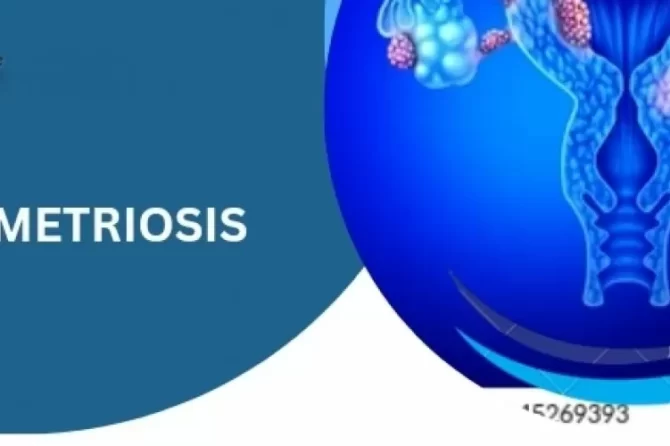
    Endometriosis is a chronic and often debilitating disease that affects millions of women worldwide. Despite being a common condition, endometriosis often goes undiagnosed for many years due to a lack of understanding and awareness of the symptoms. In this blog, we will explore the causes, symptoms, and treatment options for the disease and provide insights into why this silent disease deserves more attention and recognition. Endometriosis is a condition where tissue similar to the lining of the uterus grows outside of it, causing pain, infertility, and other symptoms. The tissue is called endometrial tissue and it grows in areas such as the ovaries, fallopian tubes, and other parts of the pelvic cavity. Each month, the endometrial tissue responds to the hormonal changes in the body, just as the endometrial tissue in the uterus does, causing it to thicken, break down, and bleed. Unlike the endometrial tissue in the uterus, however, the tissue that grows outside of it has nowhere to go and can cause inflammation, scarring, and the formation of cysts and adhesions. Symptoms of Endometriosis  chronic pain, particularly during menstruation,   heavy and irregular periods, fatigue, and infertility.   pain during sexual intercourse,  bowel movements, and urination.  Despite these symptoms, the condition can be difficult to diagnose due to its non-specific nature and the tendency for symptoms to be mistaken for other conditions. Risk factors While the exact cause of endometriosis is not known, there are several risk factors that have been identified. Genetics One of the main risk factors for endometriosis is genetics. Women who have a close relative with the same condition are more likely to develop the condition themselves. Hormonal factors also play a role, as endometriosis is more common in women who have higher levels of oestrogen. The most common symptoms of endometriosis are Reproductive factors Reproductive factors such as early onset of menstruation, late onset of menopause, and having never given birth can also increase the risk of the disease. Women who have a history of pelvic infections or other medical conditions such as uterine abnormalities or immune system disorders may also be at higher risk. Lifestyle factors Lifestyle factors such as a high-fat diet, alcohol consumption, and lack of exercise have also been linked to an increased risk of endometriosis. It is important to note that while these risk factors may increase the likelihood of developing the disease, many women with the condition have no known risk factors. If you are experiencing symptoms of endometriosis such as painful periods, pelvic pain, or difficulty getting pregnant, it is important to speak with your healthcare provider to determine the best course of action Contact a gynecologist now Diagnosis and Treatment of Endometriosis Diagnosis of endometriosis is usually made through a combination of medical history, physical examination, and imaging tests such as ultrasound or MRI. In some cases, a laparoscopy may be needed to confirm the diagnosis and assess the extent of the disease. While there is no cure for endometriosis, there are several treatment options available to manage the symptoms and improve quality of life. One of the most common treatment options for endometriosis is medication. Hormonal therapies such as birth control pills, gonadotropin-releasing hormone (GnRH) agonists, and progestin can help regulate the menstrual cycle and reduce the growth of endometrial tissue. Pain relievers such as nonsteroidal anti-inflammatory drugs (NSAIDs) can also help manage the pain associated with endometriosis. Surgery may also be an option for women with severe endometriosis. Laparoscopic surgery, where small incisions are made in the abdomen to remove the endometrial tissue, can help improve symptoms and increase the chances of pregnancy. In some cases, a hysterectomy may be recommended to remove the uterus and ovaries. Complementary therapies such as acupuncture, dietary changes, and exercise may also be helpful in managing the symptoms of endometriosis. It is important to discuss these options with your healthcare provider to determine the best course of treatment for your individual needs. In conclusion, while there is no cure for endometriosis, there are several treatment options available to manage the symptoms and improve quality of life. It is important to work with your healthcare provider to determine the best course of action based on your individual needs and circumstances Why Endometriosis Deserves More Attention Endometriosis is a disease that affects millions of women worldwide and yet, it is often misunderstood, misdiagnosed, and under-treated. Despite its debilitating effects, the condition is often ignored or dismissed as “just period pain.” Women with endometriosis often have to endure years of chronic pain and infertility before receiving a proper diagnosis and treatment. In addition to the physical and emotional toll of the disease, endometriosis can also have a significant impact on a woman’s quality of life and career. Women with the said disease may have to take time off work due to pain and fatigue, miss important events, and struggle with the financial burden of treatment and lost income. Conclusion Endometriosis is a complex and often debilitating disease that affects millions of women worldwide. Despite its prevalence, endometriosis is often misdiagnosed, misunderstood, and under-treated. Women with endometriosis deserve more attention, recognition, and support as they navigate the physical and emotional challenges of this disease. By increasing awareness and understanding of the disease, we can help women receive proper diagnosis, treatment, and support as they navigate this silent disease. If anyone has concerns related to endometriosis and wants to connect with the best doctors, then sign up to the MediPocket world and get the best treatment directly from the United States.

    Read more
    • AUGUST 18, 2023
    • 0
    Empowering LGBTQIA+Parenthood – MediPocket Surrogacy USA

    Empowering LGBTQIA+Parenthood – MediPocket Surrogacy USA

    Many intended parents all over the world have used surrogacy. Surrogacy benefits everyone, regardless of their situation, from single parents to families of three. While many people believe that surrogacy only benefits “typical and usual” families, few realise that people in the LGBTQIA+ community can also benefit from the process.  In this blog, we will learn about the importance of surrogacy for LGBTQIA+ people and how to promote parenthood in the community. What is LGBTQIA+ Community? The LGBTQIA+ community is a diverse and welcoming group that includes people of all sexual orientations, gender identities, and gender expressions. The acronym stands for Lesbian, Gay, Bisexual, Transgender, Queer (or Questioning), Intersex, Asexual (or Ally), and the “+” symbol represents the inclusion of other identities that are not explicitly mentioned. Each letter in the acronym stands for a unique identity within the community: Lesbian: A woman who is romantically, emotionally, or sexually attracted to another woman. Gay: A term used to describe men who are romantically, emotionally, or sexually attracted to other men. It can also be used to refer to the entire community. Bisexual: Individuals who are romantically, emotionally, or sexually attracted to both men and women. Transgender: Individuals whose gender identity differs from the sex assigned to them at birth are referred to as transgender. Transgender people can identify as male, female, non-binary, or another gender. Queer: An umbrella term for various sexual orientations and gender identities other than heterosexuality and cisgender identities. It is a term that is frequently used by people who identify as non-heterosexual and/or non-cisgender. Questioning: Individuals who are exploring or questioning their sexual orientation or gender identity are referred to as questioning. Intersex: Individuals born with physical or biological characteristics (sex characteristics) that do not conform to traditional definitions of male or female. Asexual: Individuals who are asexual do not experience sexual attraction to others. It can also include people who have little sexual attraction or are uninterested in sexual relationships. Ally: A person who is supportive of and advocates for the LGBTQIA+ community, even if they do not identify as a member of the community themselves.   Significance of Surrogacy on LGBTQIA+ people Surrogacy is extremely important for LGBTQIA+ individuals and couples because it offers them a unique and viable path to parenthood. Traditional methods of conception may not be biologically feasible for many same-sex couples and members of the LGBTQIA+ community. Surrogacy provides an alternative option, allowing them to realize their dream of becoming parents and starting families. Biological Parenthood: Surrogacy enables LGBTQIA+ individuals and couples to have a biological connection to their child. One partner’s sperm can be used to fertilise the surrogate’s egg in gay male couples, resulting in a child who is genetically related to one or both fathers. Similarly, lesbian couples may choose to have biological children using one partner’s egg and donor sperm. Emotional Satisfaction: Parenthood is an important part of life for many people, including LGBTQIA+ people. Surrogacy allows them to experience the joys and challenges of parenthood while also fostering emotional fulfilment and the sense of building a loving family. Overcoming Biases and Barriers: Surrogacy can be a powerful tool for LGBTQIA+ individuals seeking to adopt or foster children to overcome societal biases and legal barriers. Adoption and foster care policies in some areas may not be fully inclusive of LGBTQIA+ families, making surrogacy a more viable and accessible option. Legal Recognition: In some countries and regions, surrogacy can provide LGBTQIA+ parents with legal recognition and parental rights, ensuring their legal status as parents and protecting the child’s rights. Strengthening Family Bonds: Surrogacy can help LGBTQIA+ partners strengthen their bonds as they navigate the emotional journey of parenthood and create a supportive and loving environment for their child. Promoting Visibility and Acceptance: LGBTQIA+ individuals and couples who choose surrogacy challenge stereotypes and contribute to societal visibility and acceptance. Their path to parenthood highlights diverse family structures as well as the universal desire to love and care for children. Inclusion: By accepting surrogacy as a family-building option, LGBTQIA+ individuals and couples contribute to a more inclusive society that recognizes and supports diverse paths to parenthood. Empowering LGBTQIA+ parenthood The empowerment of LGBTQIA+ parenthood is a critical component of promoting inclusivity, equality, and acceptance for diverse families. LGBTQIA+ individuals and couples have long faced societal and legal obstacles on their path to parenthood. However, with increased recognition of LGBTQIA+ rights and advancements in assisted reproductive technologies, the landscape of family-building options for the community has shifted dramatically. Surrogacy and assisted reproductive technologies have emerged as powerful tools for LGBTQIA+ individuals and couples seeking to become parents on their own terms. Surrogacy allows gay male couples to have a biological connection to their child through the use of one partner’s sperm. Similarly, lesbian couples can use donor sperm to fertilize one of their partners’ eggs, allowing them to experience biological motherhood. LGBTQIA+ individuals and couples who use surrogacy are challenging traditional family norms, fostering a sense of empowerment, and reclaiming their right to create and nurture a loving family. Surrogacy offers them an alternative and affirming path to parenthood that is free of societal norms and restrictions. Surrogacy is becoming more recognized and accepted around the world, which is a significant step toward a more inclusive society that recognizes and embraces the various paths to parenthood for LGBTQIA+ individuals and couples. By empowering LGBTQIA+ parenthood, we create a world where all families, regardless of sexual orientation or gender identity, are celebrated and supported, fostering a more compassionate and equitable world for future generations. Conclusion As a result, the blog perfectly depicts how Surrogacy can be a beneficial process for the LGBTQIA+ community, empowering and providing hope to these people without discrimination. Surrogacy & IVF – Powered by MediPocket USA ensures that every other person who wishes to become a parent can fulfill their desire and enjoy the journey of purity and love. 

    Read more
    • APRIL 4, 2023
    • 11
    Egg and sperm donor in surrogacy

    Egg and sperm donor in surrogacy

    The medical sector has always improved in terms of diagnosing and treating, whether it’s developing new technologies to cure cancer or having a kid via IVF and surrogacy. These developments have proven to be immensely useful to humanity. Sperm and egg donation is one of the advances achieved by researchers in the field of pregnancy. Donation of sperm and eggs is critical in the surrogacy and IVF processes. We shall look at a quick summary of egg and sperm donation and its procedure in the following article. Surrogacy Surrogacy is the procedure through which a woman bears a pregnancy and delivers birth on behalf of another individual or couple. When the intended parent(s) are unable to carry a pregnancy owing to medical concerns or other circumstances, this is usually done. The potential for people or couples to have a biological child of their own despite reproductive challenges or medical disorders that prohibit them from bringing a pregnancy to term is one of the advantages of surrogacy. Surrogacy may also be less expensive than other kinds of assisted reproductive technologies, such as adoption or in vitro fertilization. Furthermore, surrogacy gives individuals or couples more control over the pregnancy and birthing process. They may choose a surrogate who shares their values and views, and they can be as engaged in the pregnancy as they want. Surrogacy can also help both the intended parent(s) and the surrogate emotionally. It can provide a sense of optimism and satisfaction for intended parents, while surrogates may find it fulfilling to assist others accomplish their goal of parenting. Egg donation A lady donates her eggs to be utilised by another individual or couple who is having problems conceiving a child on their own. This method is frequently employed in assisted reproductive technology (ART) therapies like in vitro fertilization (IVF), in which eggs are fertilized with sperm outside of the body in a laboratory. Typically, the egg donation procedure consists of numerous phases. Then, the egg donor is evaluated medically and psychologically to determine that she is a good candidate for the operation. Blood tests, ultrasounds, and other medical exams may be included in this examination. Once authorised, the donor will be given medicine to stimulate her ovaries and boost the amount of eggs produced. This drug is often given through injection and is continuously supervised by a medical expert. When the eggs are mature and ready to be extracted, the donor will go through a simple surgical operation to take them from her ovaries. This is usually done under sedation or anaesthesia, and it includes inserting a thin needle into the vaginal wall to extract the eggs. In a laboratory, the eggs are fertilized with sperm, and the resultant embryos are placed into the uterus of the intended mother or a gestational surrogate. Benefits of egg donation Individuals or couples who are unable to have a child on their own may benefit from egg donation in a variety of ways. Following are some of the primary advantages of egg donation: Enables for biological parenthood: Egg donation allows people or couples who are unable to generate viable eggs or sperm to have a biological child. This can be a huge advantage for parents who want a genetic tie to their kid. Greater rates of success in assisted reproductive technology (ART) treatments: When used in ART therapies such as in vitro fertilization (IVF), utilizing donated eggs can result in better success rates than using the intended mother’s own eggs. This is due to the fact that donated eggs are often delivered by young, healthy donors who have a high possibility of reproducing. Access to a larger donor pool: With egg donation, individuals or couples can select a donor who shares their values, beliefs, and physical traits. This is especially helpful for people looking for a donor with a specific ethnic origin or physical characteristics. Greater control over pregnancy timing: Unlike adoption, egg donation gives individuals or couples more control over pregnancy timing. Individuals may plan the egg harvesting and embryo transfer to meet their own schedule, which is beneficial for people with demanding job or personal commitments. Emotional advantages: Egg donation can bring emotional benefits for individuals or couples who have battled with infertility or the loss of a baby by providing hope for a healthy pregnancy. Sperm donation A guy donates his sperm to be utilized by another individual or couple who is having problems conceiving a child on their own. Passive donation occurs when a donor delivers a sperm sample to a sperm bank or reproductive clinic but is not participating in any subsequent phases of the procedure. The sperm donation procedure usually starts with a complete medical examination of the donor, which includes a physical exam, blood tests, and a review of his medical history to confirm that he is healthy and free of any genetic or infectious disorders that might be passed down to a kid. After authorized, the donor will deliver a sperm sample, which will be tested and processed to separate the healthy sperm from other components. The sperm is then frozen and kept until insemination is required. When the receiver is ready to conceive, the sperm sample is frozen and readied for insemination, which can be accomplished in a variety of methods depending on the recipient’s specific needs and circumstances. To boost the odds of conception, sperm may be used in conjunction with assisted reproductive technologies such as intrauterine insemination (IUI) or in vitro fertilization (IVF) in some instances. Benefits of sperm donation The advantages of sperm donation include the ability for individuals or couples suffering from infertility to create a child using the donor’s sperm. This can provide hope to people who previously believed that having a biological child was out of the question. Sperm donation: Sperm donation may also be less expensive than other assisted reproductive procedures, such as adoption or IVF with donor eggs. This is because sperm donation usually requires less medical intervention and fewer procedures. Fertility

    Read more

Photostream