• Explaining Surrogacy to Your Child

    Explaining Surrogacy to Your Child

    Surrogacy is a beautiful path to parenthood — but when it comes to explaining it to your child, many intended parents find themselves wondering where to begin. Whether your child was born via surrogate or you are growing your family and want to talk about an ongoing journey, sharing your story with honesty, love, and age-appropriate language is essential. Why This Conversation Matters? For children, understanding where they come from is part of building confidence, identity, and emotional security. Openly talking about surrogacy — instead of avoiding the topic — creates a trusting environment where your child knows they are loved and cherished no matter how your family came to be. Experts recommend approaching this discussion as early as possible — even from infancy — so that the idea of their surrogacy story becomes a natural part of their life narrative rather than something hidden or noteworthy later on. Meet Your Child Where They Are Children think and understand the world differently at various stages of development, so your explanation should be age-appropriate, simple, and honest. For Toddlers (2–4 years) Use very basic language: “A lovely lady helped carry you because we wanted you so much.”This sets the foundation without complexity. For Preschoolers (4–6 years) You can expand with gentle clarity: “Some parents need help from a surrogate to have a baby, and she helped bring you into our family.”Books designed for young children about diverse families can help normalize the concept. For School-Age Children (6–12 years) At this stage, children can ask specific questions and can handle more information. You can explain: What surrogacy means Why your family chose this path Who the surrogate isAgain, be ready to reassure them that their family comes first and that the surrogate helped make the family whole. For Teens (13+ years) Older children often want more detail: how the pregnancy worked, genetic relationships, and the decision process. At this age, being transparent helps build trust and respect. Expect Questions — Big and Small Kids may ask a wide range of questions depending on their age: “Were you in Mommy’s tummy?” “Who carried me?” “Why was this needed?” “Can I meet the surrogate?” The key is to answer openly and honestly with simplicity first, and expand only if they ask for more. Staying calm and positive builds trust and shows your child that their story is something to be proud of. Tips for Meaningful Conversations Here are practical strategies to help make each talk supportive and loving: 1. Use Age-Appropriate Books and Stories Children’s books about surrogacy can turn abstract ideas into relatable examples. 2. Involve Your Child in the Process (When Appropriate) Older siblings can even participate in simple gestures — like making a card or gift for the surrogate — which creates a sense of involvement and empathy. 3. Normalize the Topic Early and Often Starting early and revisiting the story with age-appropriate depth helps children feel secure and confident about their family’s unique path. 4. Emphasize Love, Not Labels Above all, remind your child frequently that they are deeply loved and that surrogacy is one beautiful way your family grew — not something mysterious or unusual. Helping Your Child Accept Their Surrogacy Story A child’s understanding of surrogacy will evolve. What starts as a simple explanation in early childhood can grow into a deeper, more meaningful discussion as they mature. Making sure they always feel free to ask questions — and that you are always ready to answer — helps them integrate their story into who they are with pride. Many families find that when the topic is treated with warmth and honesty, children grow up feeling proud of the love and effort that went into bringing them into the world. “Quotes Credit: Medipocket Surrogacy & American Surrogacy“ Your Surrogacy Journey With MediPocket Surrogacy USA At MediPocket Surrogacy USA, we understand that surrogacy is much more than a medical process — it’s a deeply emotional and personal journey. That’s why our expert team supports you every step of the way, from explaining this unique path to your children, to coordinating with trusted clinics and surrogacy professionals in the United States. Whether you are preparing for your child’s arrival or figuring out how to talk about your family’s story with love and confidence, we’re here to guide you with compassion, clarity, and personalized care. Your family’s story is unique — and we help you share it with pride. Get in touch with MediPocket Surrogacy USA today.

    Read more
  • Surrogacy Disputes: Common Legal Challenges and How to Avoid Them?

    Surrogacy Disputes: Common Legal Challenges and How to Avoid Them?

    Surrogacy is one of the most meaningful ways for individuals and couples to grow their families. However, while it brings immense joy, the journey can sometimes present complex legal and emotional hurdles. Surrogacy disputes can arise even in the most carefully planned arrangements, which is why understanding potential legal challenges—and how to proactively prevent them—is crucial for a smooth and successful experience. Common Legal Challenges in Surrogacy 1. Contractual Ambiguities A clear, detailed surrogacy agreement forms the foundation of any successful arrangement. When contracts lack specific terms or fail to address possible contingencies, surrogacy disputes are more likely to occur. Ambiguities around financial responsibilities, medical decisions, or what happens in the event of complications can create unnecessary conflicts between intended parents and surrogates. A well-drafted agreement eliminates uncertainty and ensures every party knows their rights and obligations from the very beginning. 2. Establishing Legal Parentage One of the most critical legal challenges in surrogacy is determining and securing parental rights. If proper legal procedures aren’t followed, intended parents might face delays or difficulties in being legally recognized as the child’s parents. In some cases, these complexities can even lead to custody-related surrogacy disputes, emphasizing the importance of legal precision and timely documentation. 3. Varying State Laws Surrogacy regulations vary widely across the United States. States like California and Nevada are renowned for their surrogacy-friendly laws, but complications may arise when arrangements cross state lines. Different jurisdictions interpret parental rights, compensation, and agreements differently—making it essential for both surrogates and intended parents to understand how legal challenges can shift depending on location. 4. Ethical Considerations Ethical concerns often accompany surrogacy, particularly regarding the rights and autonomy of the surrogate and the welfare of the child. If not discussed and agreed upon early, these issues can evolve into surrogacy disputes later on. Addressing these ethical aspects upfront—through transparent discussions and fair contract terms—helps establish trust and prevent future conflicts. How to Avoid Surrogacy Disputes? 1. Create a Comprehensive Legal Agreement Every surrogacy journey should begin with a well-structured legal agreement drafted by an experienced attorney. This contract must address all possible scenarios—from medical decisions and financial terms to unexpected medical outcomes—minimizing room for disagreement and legal challenges down the road. 2. Engage Specialized Legal Representation Surrogacy involves intricate laws that differ across states and countries. Working with legal professionals who specialize in reproductive law ensures that every step complies with local and federal regulations. Expert legal guidance protects both the intended parents and the surrogate, helping prevent potential surrogacy disputes before they arise. 3. Participate in Pre-Surrogacy Counseling Counseling sessions can be invaluable for all participants. They provide emotional preparedness, clarify ethical boundaries, and align expectations between surrogates and intended parents. This proactive communication reduces misunderstandings and helps create a strong, transparent foundation that minimizes future legal challenges. 4. Understand and Follow State Laws While Nevada and California offer supportive frameworks for surrogacy, understanding the nuances of each state’s laws is key. Every jurisdiction has its own legal process for establishing parentage, managing compensation, and safeguarding the rights of all parties. Being informed and compliant from the start is one of the best ways to avoid surrogacy disputes. 5. Include Dispute Resolution Mechanisms Even the best agreements can encounter unforeseen obstacles. By including mediation or arbitration clauses in the surrogacy contract, intended parents and surrogates can resolve disagreements quickly and respectfully—without resorting to lengthy court battles. This approach provides an efficient, compassionate path to settle potential legal challenges. The Importance of Legal Expertise Surrogacy is both an emotional and legal journey. While it offers unmatched fulfillment, it also requires careful planning and adherence to complex laws. Recognizing potential legal challenges early and implementing safeguards can make the process smooth, transparent, and rewarding for everyone involved. That’s where MediPocket Surrogacy USA plays a vital role. As a trusted global platform connecting intended parents with surrogacy programs in the USA, MediPocket ensures that every arrangement is handled with the utmost care, legal clarity, and ethical integrity. From helping international intended parents navigate U.S. laws to partnering with experienced surrogacy lawyers, MediPocket Surrogacy USA provides end-to-end guidance—reducing the risk of surrogacy disputes and creating a seamless path to parenthood. ✨ Build your family with confidence and peace of mind—partner with MediPocket Surrogacy USA for a safe, transparent, and legally protected surrogacy journey.

    Read more
  • 5 Non-Negotiable Clauses in a U.S. Surrogacy Contract

    5 Non-Negotiable Clauses in a U.S. Surrogacy Contract

    If you’re exploring surrogacy—whether as Intended Parents or a Gestational Carrier—you already know how crucial it is to go through a series of clearances: medical, psychological, financial, insurance, and most importantly, legal clearance. This final step, known as legal clearance, centers around one of the most vital documents in your journey—the Surrogacy Contract. Think of it as your “parental pre-nup,” a written roadmap that defines everyone’s rights, roles, and expectations, ensuring a safe and ethical journey for all involved. What Is Legal Clearance in a Surrogacy Process? Legal clearance means both the Intended Parents and the Gestational Carrier (and her spouse or partner, if applicable) have formally entered into a written Surrogacy Contract—a binding agreement reviewed, negotiated, and finalized with separate legal counsel for each party. This contract sets the legal foundation of your surrogacy relationship before any medical procedures begin—such as embryo transfer or fertility treatments. It protects both the Intended Parents’ parental rights and the Gestational Carrier’s health, safety, and well-being. During this stage, each side has their own attorney. The Intended Parents’ lawyer usually drafts the initial contract, considering critical details such as: The states where each party resides The clinic’s location The birth location The applicable state surrogacy laws The type of medical insurance coverage in place Once both sides review and agree, the Surrogacy Contract is signed and notarized. A legal clearance letter is then issued, confirming the parties are officially “in contract” and ready to proceed with the medical cycle. The 5 Non-Negotiable Clauses in a U.S. Surrogacy Contract While every surrogacy journey is unique, a well-drafted Surrogacy Contract should always include these five essential clauses to ensure transparency, protection, and peace of mind. 1. Parental Rights & Legal Framework The heart of the Surrogacy Contract clearly defines the parental rights. It explicitly states that the arrangement is a gestational surrogacy, meaning the Intended Parents are the sole legal parents of the child. It also rebuts any presumption of parentage for the Gestational Carrier or her spouse, ensuring that she holds no parental rights or obligations. The contract specifies which U.S. state laws apply and outlines where and how parental establishment will be legally recognized once a pregnancy occurs. This ensures the legal parentage transition happens smoothly after birth—something MediPocket Surrogacy USA helps international parents understand deeply. 2. Medical Decisions and Instructions Another vital aspect of any Surrogacy Contract is how medical care and decisions will be managed throughout the process. It defines the chain of medical command—from the IVF Physician before pregnancy confirmation to the Obstetrician during the gestational period. The contract includes clauses about: Medication and supplement adherence Lifestyle guidelines (diet, travel, caffeine, exercise restrictions) Prenatal testing and screening preferences Number of embryos to be transferred (typically one) Handling of multiple pregnancies It also emphasizes informed consent and allows both parties to seek a second medical opinion when necessary—ensuring ethical, safe, and collaborative medical care. 3. Communication & Transparency Successful surrogacy depends on open, consistent communication. The Surrogacy Contract includes detailed expectations for: Regular updates after medical visits Responsiveness between Intended Parents, the carrier, clinic, and agency Guidelines for virtual attendance during medical appointments or the birth Plans for post-birth interaction These communication protocols create an environment of trust and connection—a key element MediPocket Surrogacy USA emphasizes throughout every international surrogacy journey. 4. Medical Insurance & Financial Protection Insurance is one of the most complex yet critical areas of a Surrogacy Contract. It ensures all medical bills—from IVF through delivery—are properly covered. The agreement specifies: Which insurance policy will cover the Gestational Carrier’s medical care Confirmation that the policy allows surrogacy coverage Backup insurance options, if required Billing and reimbursement protocols Because not all policies include surrogacy coverage, an insurance broker will review and validate the policy before the process begins. This protects both parties from unexpected medical costs. For international Intended Parents working with MediPocket Surrogacy USA, such guidance is invaluable—our experts coordinate with top insurance providers to ensure smooth coverage management throughout the journey. 5. Financial Terms & Escrow Arrangements Transparency around financial obligations is the final cornerstone of a strong Surrogacy Contract. Funds for the arrangement are securely held in an independent escrow account before the medical phase begins—guaranteeing timely payments and eliminating financial stress. A well-drafted contract will outline: Base compensation for the Gestational Carrier (paid in installments after pregnancy confirmation) Expense reimbursements (maternity clothing, travel, legal, child care, etc.) Medical-related costs (insurance premiums, co-pays, deductibles) Special circumstance payments (C-section, multiple gestations, medical complications, etc.) This financial clarity gives both the Intended Parents and the Carrier peace of mind—knowing every financial detail is documented and safeguarded. Building a Safe, Ethical, and Supportive Surrogacy Journey Surrogacy is a partnership built on trust, transparency, and compassion—and the Surrogacy Contract is its foundation. It’s not just legal paperwork; it’s a promise that protects everyone involved and honors the emotional weight of the journey. If you’re an international Intended Parent hoping to build your family in the USA or a Gestational Carrier preparing to help another family achieve their dream—don’t navigate it alone. Partner with professionals who understand every step of the process. Start Your U.S. Surrogacy Journey with Confidence At MediPocket Surrogacy USA, we ensure every surrogacy journey is ethical, safe, and fully compliant with U.S. legal standards. Our global team works hand-in-hand with fertility attorneys, clinics, and insurance experts to help international parents and surrogates experience a seamless, stress-free process—from legal clearance to delivery. Begin your surrogacy journey the right way.Contact MediPocket Surrogacy USA today to get personalized legal and medical guidance on your U.S. surrogacy journey.

    Read more
  • The Role of Technology in modern fertility treatment

    The Role of Technology in modern fertility treatment

    For many couples struggling with infertility, the dream of parenthood can feel distant. However, the landscape of fertility treatments is undergoing an exciting transformation thanks to cutting-edge technology. From AI-powered embryo selection to robotic-assisted surgery, these advancements are offering new hope and improved success rates. AI: Revolutionizing Embryo Selection Artificial Intelligence (AI) is reshaping the landscape of fertility treatments, particularly in the realm of embryo selection. By analyzing vast amounts of data from time-lapse microscopy of embryo development, AI algorithms can identify subtle patterns and markers that indicate a healthy embryo with greater precision than traditional methods. How does AI-powered embryo selection work? Time-Lapse Microscopy: Embryos are placed in a specialized incubator that captures images at regular intervals, creating a time-lapse video of their development. Data Analysis: AI algorithms analyze these images, assessing various parameters such as: Morphological Features: The size, shape, and symmetry of the embryo. Developmental Kinetics: The timing and speed of cell division and differentiation. Metabolic Activity: The rate at which the embryo consumes oxygen and produces carbon dioxide. Embryo Ranking: Based on these parameters, AI algorithms can rank embryos according to their potential for implantation and healthy development. Benefits of AI-powered embryo selection: Improved Accuracy: AI can detect subtle abnormalities that may not be visible to the human eye, leading to more accurate embryo selection. Personalized Treatment: AI can help tailor treatment plans to the specific needs of each patient, optimizing the chances of success. Increased Success Rates: By selecting the best embryos for transfer, AI can significantly improve pregnancy rates and reduce the risk of miscarriage. Reduced Multiple Pregnancies: AI can help prevent multiple pregnancies by selecting a single high-quality embryo for transfer. As AI technology continues to advance, we can expect even more sophisticated algorithms and tools to emerge, further improving the accuracy and effectiveness of embryo selection. By harnessing the power of AI, fertility clinics can offer patients greater hope and a higher chance of achieving their dream of parenthood. Robotics Enters the Operating Room Robotic-assisted surgery (RAS) is revolutionizing the field of fertility treatments. This innovative technology provides surgeons with enhanced precision, dexterity, and visualization, leading to improved outcomes and reduced patient discomfort. How does RAS work in fertility treatments? Minimally Invasive Procedures: RAS allows surgeons to perform complex procedures through tiny incisions, resulting in less pain, faster recovery times, and reduced scarring. Enhanced Precision: Robotic arms provide surgeons with greater dexterity and control, enabling them to perform delicate maneuvers with precision. 3D Visualization: High-definition 3D visualization systems provide surgeons with a magnified view of the surgical site, improving accuracy and reducing the risk of complications. Common Fertility Procedures Performed with RAS: Myomectomy: Removal of uterine fibroids, which can cause infertility and pregnancy complications. Endometriosis Surgery: Treatment of endometriosis, a condition that can affect fertility. Ovarian Tissue Retrieval: Harvesting ovarian tissue for fertility preservation in cancer patients or those undergoing gender-affirming surgery. Benefits of RAS in Fertility Treatments: Reduced Pain and Discomfort: Minimally invasive procedures lead to less pain and a faster recovery. Smaller Incisions: Smaller incisions result in less scarring and a quicker healing process. Reduced Blood Loss: Precise surgical techniques minimize blood loss during the procedure. Improved Outcomes: RAS can lead to higher success rates and better patient outcomes. By incorporating robotics into fertility treatments, surgeons can offer patients a more precise and efficient approach to addressing infertility issues. This technology holds the potential to transform the field of fertility medicine and improve the chances of successful conception for many couples. Beyond AI and Robotics: A Spectrum of Technological Advancements The technological revolution in fertility treatments extends beyond AI and robotics. Here are some other exciting developments: Microfluidics: This technology allows for precise handling and manipulation of sperm and eggs, potentially improving fertilization rates. Vitrification: This advanced freezing technique allows for the cryopreservation of eggs and embryos with improved survival rates. Preimplantation Genetic Testing (PGT): This genetic testing helps identify embryos with chromosomal abnormalities, ensuring the transfer of healthy embryos. Looking Ahead: A Future Filled with Hope These technological advancements hold immense promise for the future of fertility treatments. As technology continues to evolve, we can expect even more sophisticated tools and techniques to emerge, increasing success rates and making parenthood a more attainable dream for many couples. By combining these tech advancements with a compassionate and patient-centered approach, we can create a brighter future for families struggling with infertility. Contact MediPocket Surrogacy USA for more information regarding Surrogacy and IVF.

    Read more
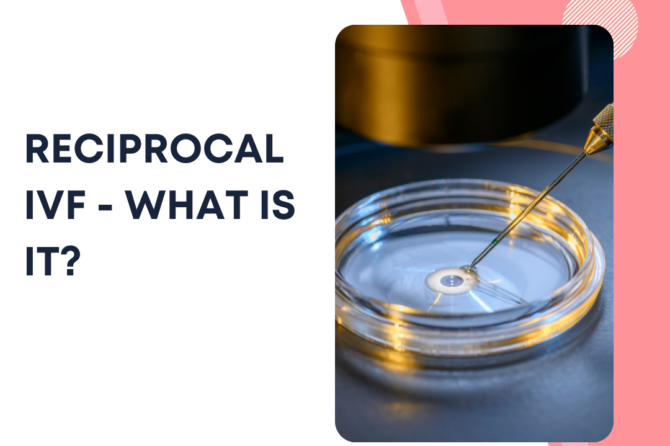
  • Reciprocal IVF – what is it?

    Reciprocal IVF – what is it?

    Reciprocal IVF is a revolutionary family-building option designed primarily for lesbian couples, allowing both partners to participate biologically and emotionally in the creation of their child. Here’s a closer look at this process, its role in surrogacy, and its broader implications. What is IVF? IVF (In Vitro Fertilization) is a well-established fertility treatment where eggs are retrieved from the ovaries, fertilized with sperm in a laboratory, and implanted into a uterus. It is used widely to address various infertility challenges. What is Reciprocal IVF? Reciprocal IVF takes traditional IVF a step further by enabling both partners in a same-sex female couple to share in the reproductive journey. One partner provides her eggs, contributing her genetic material, while the other partner carries the pregnancy, creating an unparalleled sense of shared parenthood. Steps in the Reciprocal IVF Process Egg Donation and Ovarian Stimulation: The partner donating eggs undergoes hormonal treatments to stimulate egg production. Once mature, the eggs are retrieved through a minimally invasive procedure. Fertilization: Donor sperm is used to fertilize the retrieved eggs in a laboratory setting, creating embryos. Embryo Transfer: The resulting embryos are transferred to the uterus of the partner who will carry the pregnancy. Hormonal treatments are often administered to prepare her body for implantation and pregnancy. Pregnancy Monitoring: After implantation, the carrying partner is closely monitored to ensure the pregnancy progresses healthily. Reciprocal IVF and Surrogacy In cases where neither partner can carry a pregnancy, reciprocal IVF can be integrated into surrogacy. The embryo created from one partner’s egg and donor sperm can be implanted in a surrogate who will carry the baby to term. This approach offers flexibility for diverse family-building needs, including those involving health concerns or personal preferences. Advantages of Reciprocal IVF Reciprocal IVF offers unique benefits for same-sex female couples, ensuring emotional fulfillment and equal participation in family-building. Here are the detailed advantages: 1. Shared Biological Parenthood Enables one partner to contribute genetically by donating eggs, while the other carries and nurtures the baby during pregnancy. Fosters a deep connection between both partners and the child. 2. Empowering Inclusivity Provides LGBTQIA+ couples a path to biological parenthood that respects and celebrates their identities. Ensures equal participation in creating and raising a family. 3. Personalized Family Dynamics Couples can decide roles based on personal preferences, health considerations, or medical advice. Offers flexibility in how both partners contribute to the process. 4. Emotional Fulfillment Strengthens the emotional bond between partners by involving both in critical roles during conception and pregnancy. Creates shared experiences, making the parenting journey even more meaningful. 5. Legacy Building Provides an opportunity for one partner to pass on their genetic legacy while both partners nurture the child. Establishes a meaningful biological connection to future generations. 6. Adaptability for Surrogacy If neither partner can carry a pregnancy, the fertilized embryos can be transferred to a surrogate, enabling family-building regardless of medical barriers. 7. Advanced Fertility Options Leverages cutting-edge reproductive technology for improved outcomes, increasing the chances of a successful pregnancy. Emotional and Social Benefits Reciprocal IVF is not just about medical science—it’s about creating deeper bonds and redefining family. The process acknowledges the emotional importance of parenthood and ensures inclusivity for couples who might otherwise face barriers to biological reproduction. Why Choose Reciprocal IVF? For Family: It provides an avenue for both partners to experience parenthood uniquely. For Love: Strengthens emotional ties through shared experiences. For Inclusion: Promotes equality in reproductive opportunities for LGBTQIA+ families. Reciprocal IVF is reshaping the way families are built, blending cutting-edge science with the emotional needs of modern families. Whether used independently or as part of a surrogacy journey, it is a testament to how far reproductive medicine has come in fostering diversity and inclusion in parenthood. Contact MediPocket Surrogacy USA for premium Surrogacy service. We make miracles happen and countless intended families are on board with us.

    Read more
  • How do laws protect Surrogacy?

    How do laws protect Surrogacy?

    Surrogacy offers a life-changing path for intended parents worldwide, yet its legal framework is as diverse as the cultures and countries that govern it. Around the globe, surrogacy laws vary significantly, with countries taking diverse stances on commercial, altruistic, and even banned surrogacy practices. This variation often results in complex challenges and uncertainties for intended parents and surrogates alike, and it has led to an ongoing debate on best practices and protections within this deeply personal and medically complex area. In the United States, where surrogacy is primarily regulated at the state level, there is a wide spectrum of legal conditions. Certain states are highly supportive, allowing both commercial and altruistic surrogacy, while others permit surrogacy with restrictions, and a few prohibit it altogether. This lack of federal regulation can make cross-state surrogacy journeys complex but allows many U.S. residents and international intended parents access to a range of choices. Canada’s approach focuses on altruistic surrogacy, making it legal to enter surrogacy agreements but unlawful to pay a surrogate beyond reimbursing certain medical and pregnancy-related expenses. This policy seeks to protect surrogate rights by preventing commercial exploitation while still enabling intended parents to pursue family-building options. The U.K. similarly allows only altruistic surrogacy and requires that surrogates retain parental rights until a transfer of parental responsibility takes place post-birth. Several countries have banned surrogacy altogether, including France and Germany, reflecting concerns around ethical issues and potential exploitation. While these laws are designed to protect women from coercion, they can also limit access to family-building options for citizens and push individuals into international surrogacy arrangements where protections are not always guaranteed. In recent years, there has been a global movement toward establishing more cohesive surrogacy laws to better protect all parties involved. International bodies are advocating for comprehensive frameworks that address ethical concerns, surrogate health, mental well-being, and intended parent rights. Countries like India, which previously had thriving surrogacy industries, have revised laws to enforce stringent surrogate and patient screenings, as well as regulated compensation to ensure that surrogates’ rights and safety are prioritized. With MediPocket Surrogacy USA, international intended parents can navigate these complex legal landscapes. By offering clear guidance on regulatory matters and focusing on transparent, ethical standards, MediPocket ensures surrogacy journeys are safe, legally sound, and compassionate. As surrogacy continues to evolve worldwide, cohesive legal protections and regulatory frameworks are essential to fostering safe, ethical surrogacy practices that protect surrogates, intended parents, and children alike.

    Read more
  • Can your body reject Donor Egg?

    Can your body reject Donor Egg?

    The use of donor eggs has transformed the field of fertility treatments, giving hope to countless couples struggling with infertility. For many women unable to conceive with their own eggs, donor egg IVF offers a promising solution. However, like any medical procedure, it doesn’t always come with a 100% success rate. A question that often arises is: Can your body reject donor eggs? While the term “rejection” might seem daunting, the answer is more nuanced. Rejection, in the context of donor egg IVF, is not as straightforward as with organ transplants. There are various factors that can impact the success of the procedure, and understanding them is crucial for those undergoing treatment. Why Does Donor Egg IVF Sometimes Fail? There are three primary reasons why donor egg IVF might not result in a successful pregnancy. These reasons are usually associated with issues in the uterus rather than a literal “rejection” of the donor eggs: Implantation Failure One of the most common reasons for the failure of donor egg IVF is implantation failure. Even if the eggs are healthy and fertilization occurs, the embryo might fail to implant itself into the uterine lining. This is often due to uterine abnormalities, such as fibroids, polyps, or scar tissue, which can prevent the embryo from successfully embedding. Blood Flow Issues Healthy blood flow to the uterus is vital for a successful pregnancy. In some cases, issues with blood flow to the uterus can hinder the ability of an embryo to implant or develop correctly. A thin uterine lining, which is essential for embryo attachment, can also be a contributing factor to IVF failure. Immunological Issues Perhaps one of the lesser-known causes of donor egg IVF failure is immune response. The immune system can sometimes treat the embryo as a foreign invader, attacking it rather than allowing it to develop. Conditions like elevated natural killer (NK) cells or other immune disorders can lead to this kind of response, although it is a topic of ongoing research and debate in the fertility field. These factors, combined with other underlying health conditions, can complicate the process and result in failed attempts, making it critical to work closely with a fertility specialist to understand your unique case. What Can Be Done to Prevent Donor Egg IVF Failure? While the possibility of your body “rejecting” a donor egg might seem alarming, it’s important to remember that advancements in fertility treatments and diagnostics can significantly improve the chances of success. Here are some common strategies that can help mitigate the risks associated with donor egg IVF: Pre-IVF Testing: Conducting comprehensive tests to evaluate uterine health and immune response before starting IVF can help identify potential issues early. This may involve hysteroscopy to check for uterine abnormalities, as well as blood tests to assess immune function and hormone levels. Enhancing Uterine Blood Flow: There are various methods, such as the use of medications or supplements, to help improve blood flow to the uterus and ensure the lining is optimal for embryo implantation. Immune Therapy: For those with diagnosed immune issues, immune therapy might be recommended. Treatments such as intralipid infusions or steroid medication can help suppress an overactive immune system, allowing the embryo to implant successfully. Understanding IVF Challenges and Moving Forward It’s crucial to remember that even with challenges, donor egg IVF has a high success rate compared to other fertility treatments. At the same time, each patient’s journey is unique, and what works for one person may not work for another. With the right approach—working closely with fertility experts, undergoing proper diagnostic testing, and remaining informed about the potential challenges—you can significantly increase your chances of success. Understanding your body’s response and managing the underlying issues will help you navigate this journey with confidence. Final Thoughts While the idea of your body “rejecting” donor eggs can feel overwhelming, it’s important to understand that most complications are manageable with the right medical guidance. Donor egg IVF has provided hope and successful pregnancies for many couples around the world. By staying informed and addressing any challenges head-on, you give yourself the best possible chance for success. If you’re considering donor egg IVF or have had previous failed attempts, consult with a fertility expert to explore all available options, including treatments that can improve your chances of conception. Let’s continue this important conversation on fertility awareness and support each other through the journey. Contact MediPocket Surrogacy USA for premium surrogacy or IVF services from the United States.

    Read more
  • Who Breastfeeds the Surrogate Baby? Understanding the Options for Breastfeeding After Surrogacy

    Who Breastfeeds the Surrogate Baby? Understanding the Options for Breastfeeding After Surrogacy

    Surrogacy is a beautiful journey that brings joy and fulfillment to families who may have struggled to conceive. But once the baby is born, an important question arises: Who breastfeeds the surrogate baby? This is a crucial consideration, as the decision impacts the baby’s health, bonding experience, and overall well-being. While the answer may vary depending on individual circumstances, it’s essential to understand the different options available. Breastfeeding by the Surrogate Mother In some cases, the surrogate mother may choose to breastfeed the baby she carried. This option is more common when there is a close, trusting relationship between the surrogate and the intended parents. Surrogates who decide to breastfeed can provide their milk either directly or through pumping, which is particularly beneficial in the baby’s first few days or weeks. The surrogate’s milk is rich in antibodies and nutrients, offering a strong foundation for the newborn’s immune system and overall health. Breastfeeding by the surrogate can also create a sense of continuity for the baby, as the infant has already formed a bond with the surrogate during pregnancy. However, this option requires clear communication and mutual agreement between all parties involved. Surrogates who choose to continue breastfeeding for an extended period after birth must consider the emotional and logistical aspects of this decision. Breastfeeding by the Intended Mother Another option is for the intended mother to breastfeed the baby. This can be achieved through induced lactation, a process where the intended mother stimulates milk production through hormonal treatments and regular pumping, even if she has not given birth herself. This method allows the intended mother to experience the bonding and health benefits of breastfeeding her child. While induced lactation can be challenging and time-consuming, many intended mothers find it to be a deeply rewarding experience. It enables them to play a direct role in their baby’s nourishment and helps strengthen the emotional bond between mother and child. Support from lactation consultants and healthcare professionals is often crucial for success in induced lactation. Formula Feeding and Donor Milk For some families, formula feeding or using donor breast milk may be the preferred or necessary choice. Formula feeding is a practical and safe option that ensures the baby receives adequate nutrition, especially if breastfeeding is not feasible. Additionally, donor milk from a milk bank or another breastfeeding mother offers a valuable alternative. Donor milk provides the benefits of breast milk when neither the surrogate nor the intended mother can breastfeed. Milk banks carefully screen and pasteurize donor milk to ensure its safety, making it a reliable option for those who wish to provide breast milk to their baby without breastfeeding directly. This approach is particularly useful for babies who have specific nutritional needs or for families where breastfeeding is not an option due to medical or personal reasons. Conclusion The question of who breastfeeds the surrogate baby is complex and personal, with multiple pathways available to meet the baby’s nutritional and emotional needs. Whether through breastfeeding by the surrogate, induced lactation by the intended mother, or formula feeding and donor milk, each option has its benefits and considerations. What matters most is the collaborative effort between the surrogate, intended parents, and healthcare professionals to ensure the baby receives the best possible care from the start. The choice ultimately depends on what works best for the family, taking into account the health, preferences, and circumstances of everyone involved. This decision is part of the larger surrogacy journey, where love, care, and thoughtful planning come together to create a nurturing environment for the newest member of the family. As surrogacy continues to offer hope to many, understanding and discussing feeding options in advance can help families make informed choices that honor their unique situation and bring peace of mind as they welcome their baby into the world.

    Read more
  • Surrogacy or IVF – Which is better?

    Surrogacy or IVF – Which is better?

    Deciding to expand their family via surrogacy or IVF (In Vitro Fertilization) can be difficult and emotionally taxing. Both approaches have particular benefits and meet various requirements and situations. The purpose of this essay is to assist you in making an informed choice by examining the procedures, advantages, and factors related to surrogacy and IVF. What is IVF? - An In-depth explanation A sophisticated and complex form of assisted reproduction technology (ART) called in vitro fertilization (IVF) is used to help single people or couples conceive. It combines medical and laboratory procedures in a series of processes to aid in the development, fertilization, and implantation of the embryo. The IVF Process Ovarian Stimulation Hormonal Medications: To encourage the ovaries to generate a large number of eggs, fertility medications are first administered. Not every egg that is recovered will fertilize or develop normally following fertilization, which makes this crucial. Monitoring: To track the growth of the ovarian follicles, the patient has frequent blood tests and ultrasounds during this time. 2. Egg Retrieval  Procedure: Transvaginal ultrasound aspiration is a simple surgical operation that is carried out once the follicles are developed. To retrieve the eggs, a tiny needle is introduced into the ovaries through the vaginal wall while the patient is sedated. Lab Processing: After being recovered, the eggs are brought right away to the laboratory for inspection and setup. 3. Fertilization Sperm Collection: Donor or partner sperm can be obtained. In a laboratory, the sperm can be processed and concentrated. 4. Putting Gametes Together: Fertilization can be done in two major ways: Conventional Insemination: In conventional insemination, sperm and eggs are combined and given an overnight incubator. Intracytoplasmic Sperm Injection (ICSI): This technique involves injecting a single sperm straight into an egg. When a man is infertile, this technique is frequently employed. 5. Culture of Embryos: Development: The fertilized eggs—now embryos—are cultivated in the laboratory for several days. They undergo development monitoring throughout this time. Selection: The healthiest embryos are chosen for transfer by embryologists after they have assessed each one. To check for chromosomal abnormalities, genetic testing may be necessary in certain situations. 6. Transfer of Embryo: Procedure: A tiny catheter transfers one or more embryos into the woman's uterus. This is a straightforward treatment that typically doesn't involve sedation. Implantation: Pregnancy results from the embryo's successful implantation into the uterine lining. 7. Test for Pregnancy: Confirmation: To ascertain whether the procedure has resulted in pregnancy, a blood test is conducted 10–14 days following the embryo transfer. What is Surrogacy? A woman (the surrogate) consents to bear and give birth to a child on behalf of another individual or couple (the intended parents) in a process known as surrogacy. For people or couples who are unable to conceive or bring a pregnancy to term for personal or medical reasons, this procedure may be a workable solution. Different Surrogacy Types Traditional Surrogacy: Because her egg is utilized in the process, in traditional surrogacy the surrogate mother is also the child's biological mother. The surrogate's egg is fertilized with sperm from the intended father or a donor, usually by artificial insemination. Because there is a genetic link between the surrogate and the child in this kind of surrogacy, there may be complicated emotional and legal complications. Gestational Surrogacy: The surrogate in a gestational surrogacy has no genetic kinship with the kid. Rather, an embryo generated via in vitro fertilization (IVF) employing the intended parents' or donors' eggs and sperm is inserted into the surrogate's uterus. Because it divides the genetic and gestational roles, gestational surrogacy is more prevalent and may result in fewer emotional and legal issues. The Procedure for Surrogacy Finding a Surrogate Match: Usually, intended parents find a surrogate on their own or through a surrogacy agency. Agencies assist in locating suitable surrogates who fulfill particular physical and mental requirements. 2. Legal Procedures:  Legal contracts that specify the rights and obligations of the intended parents and the surrogate are written before things move further. These contracts cover parental rights, healthcare, and remuneration. 3. Medical Procedures: The intended mother or an egg donor receives ovarian stimulation to produce eggs, which are subsequently fertilized with sperm to form embryos in gestational surrogacy. The surrogate's uterus receives these embryos. In a typical surrogacy, the intended father's or donor's sperm is artificially inseminated into the surrogate. 4. Pregnancy and Birth:  The pregnancy is carried to term by the surrogate. She receives consistent medical attention and assistance from the agency and the intended parents throughout the pregnancy. After birth, legal steps are taken to ensure the intended parents' names are on the birth certificate and that they have full parental rights. Key Considerations for IVF vs Surrogacy Medical and Health Issues: IVF: Appropriate for those who can conceive naturally but are having problems becoming pregnant. Surrogacy: Best suited for women who have undergone hysterectomies or have serious uterine problems that hinder conception. 2. Psychological and Emotional Aspects: IVF: Gives women the opportunity to experience pregnancy and delivery, which can be beneficial for fostering emotional ties. Surrogacy: Due to the surrogate's kindness, it can be incredibly joyful and fulfilling, but it can also involve difficult emotional complexities. 3. Financial and Legal Aspects: IVF: Costlier with numerous rounds, but generally less complex legally. Surrogacy: Complicates the legal procedures and can be expensive because of agency fees and surrogate pay. 4. Lifestyle and Career: IVF: Requires a substantial time commitment for both the healing process and therapy. For women who would like to pursue their jobs without the physical burdens of pregnancy, surrogacy provides flexibility. Conclusion Selecting between IVF and surrogacy is a very personal choice that is impacted by lifestyle, financial, emotional, and medical considerations. Couples can experience pregnancy and preserve their genetic connection through IVF, while surrogacy provides a feasible option for individuals who are unable to bear children. You can navigate this crucial decision by speaking with reproductive specialists and legal counsel. Each approach has its advantages and disadvantages. Choosing surrogacy or IVF doesn'tRead more
  • Surrogacy for Cancer Patients

    Surrogacy for Cancer Patients

    Parenthood through Surrogacy for Cancer Patients For many people, including couples, becoming parents is a dream come true, but for those who are battling cancer, the parenting path can be rocky and full of unknowns. Chemotherapy, radiation therapy, and surgery are examples of cancer therapies that might affect fertility and make spontaneously occurring conception difficult or impossible. However, because of developments in reproductive medicine, cancer patients now have more options to use surrogacy to fulfill their desire to become parents. This blog will examine the significant benefits surrogacy provides to cancer patients, including hope, healing, and the opportunity to enjoy motherhood despite their challenges. The Effect of Cancer on Fertility Cancer treatments can have a significant effect on fertility, impacting men and women differently. The kind of cancer, the disease's stage, and the particular treatments taken all influence how fertility is affected by cancer. A more thorough examination of the impact of cancer on fertility may be found here: Chemotherapy: Drugs used in chemotherapy are intended to destroy cells that divide quickly, especially cancer cells. But in the process, they can also harm healthy cells, such as those found in the reproductive organs. Chemotherapy can harm ovarian follicles and eggs in women and affect sperm production in men, depending on the kind and dose of medicines employed. Depending on several variables, this damage may cause infertility to become permanent or temporary. Radiation therapy: To kill cancer cells or reduce tumor size, high-energy radiation is used in radiation therapy. On the other hand, damage to the ovaries or testes from radiation therapy administered near the reproductive organs or in the pelvic region can result in infertility. The amount of damage is contingent upon the age and gender of the patient undergoing treatment, in addition to the radiation dose and duration. Surgery: For cancer patients, surgery is frequently done to remove tumors or damaged tissue. Surgery can affect fertility by harming or impairing reproductive organs, depending on where and how much of it is done. For instance, infertility may arise from surgeries that remove the testicles (orchiectomy) in males, the uterus (hysterectomy), or the ovaries (oophorectomy) in women. Hormonal Changes: Hormone-sensitive malignancies like ovarian, prostate, and breast cancer may need hormonal therapy as part of their treatment. These hormonal treatments have the potential to alter fertility by interfering with natural hormone levels and function. Hormonal therapy has the potential to cause men to produce less sperm or to trigger a temporary or permanent menopause in women. Psychological Impact: A cancer diagnosis and the associated treatment obstacles can have a profound psychological impact on individuals and couples, in addition to the physical impacts. Concerns about fertility, such as the worry of not being able to conceive or having biological children, can exacerbate an already stressful situation and hurt one's general and mental health. The Role of Surrogacy in Patients with Cancer: A glimmer of hope for cancer sufferers struggling with infertility is surrogacy. Cancer patients or couples might still fulfill their desire to become parents by using a gestational surrogate. When a surrogate is used for gestational surrogacy, she carries the intended parent's embryo to term without having any genetic connection to the kid. This makes it possible for cancer patients to still enjoy the benefits of biological motherhood without having to deal with the physical difficulties of pregnancy. Managing the Surrogacy Journey For cancer patients thinking about becoming surrogate parents, managing the surrogacy journey can be a challenging but worthwhile procedure. Finding a qualified surrogate, having fertility procedures, and signing legal documents specifying parental rights and obligations are some of the stages that are usually involved. Even while the trip may come with its own set of difficulties, it will all be justified when a priceless child arrives. Embracing the Joys of Parenthood Cancer patients who elect surrogacy have great joy and fulfillment in parenthood, despite the difficulties they have encountered. Having a child in their lives provides a feeling of hope, healing, and rejuvenation, acting as a lighthouse in the face of hardship.Read more

Photostream