• Why did Paris Hilton choose surrogacy? 

    Why did Paris Hilton choose surrogacy? 

    We’ve all heard of Paris Hilton, an American businesswoman and media icon. We recently learned that she has welcomed a new family member into her life. yeah, you guessed it properly. Paris Hilton and her husband, Carter Reum, have announced the birth of a son via surrogacy. Paris said in a recent interview with Harper’s Bazaar that she had to keep the news of surrogacy a secret, even from her own family. Only Paris, Carter, and the surrogate were aware of the baby’s existence. We have only received an Instagram post thus far to see a glimpse of the newborn. Phoenix Barron Hilton Reum, the celebrity’s kid, is being kept away from the dazzling lights of paparazzi. While we know that Paris selected surrogacy to complete her family, we also need to know a basic overview of surrogacy and why the celebrity chose this option. Surrogacy  Surrogacy is a medical procedure that enables intending parents to have a biological child with the use of a surrogate mother. It entails implanting an embryo generated with the intending parents’ or donors’ eggs and sperm into the uterus of the surrogate mother. The surrogate carries the baby to term and delivers the child, who is then given to the intended parents. Traditional surrogacy and gestational surrogacy are the two types of surrogacy treatments. Traditional surrogacy involves the surrogate mother being inseminated with the intended father’s or donor sperm and carrying the kid to term. The surrogate mother is genetically connected to the kid in this type of surrogacy. In contrast, gestational surrogacy involves the use of the intended mother’s or donor’s eggs and the intended father’s or donor’s sperm to generate an embryo, which is subsequently transferred to the surrogate mother’s uterus. With this sort of surrogacy, the surrogate is not genetically linked to the child. Surrogacy is frequently utilized by couples who are unable to conceive for medical reasons, such as infertility, or by same-sex couples who want a biological child. Abortion may also be a possibility for women who have medical issues that make carrying a pregnancy to term dangerous. Talk to a fertility expert now!! Why did Paris Hilton choose surrogacy? In the case of Paris Hilton, her explanation was quite different, but on many cases understandable. Because of her past trauma, Paris chose to pursue surrogacy as a viable alternative. The 41-year-old is terrified of needles, medical examinations, and, of course, giving birth. Throughout her childhood, she was admitted to the Provo Convo School, where she was subjected to medical and sexual assault. This incident permanently traumatised her. That is why she chose to pursue the surrogacy option and complete her family. We can conclude from the preceding paragraph that surrogacy is not just for medical or professional reasons, but also for those who have experienced traumatic tragedy in the past and wish to have a family of their own. Surrogacy stigma in India When we learn more about surrogacy, we also realise that India is far behind in accepting surrogacy as a practice that has different benefits and can improve one’s life. The stigma and underlying concerns with women giving birth in an unnatural manner are the reasons why Indian citizens do not accept surrogacy as a method of giving birth. MediPocket World has taken the effort to bring surrogacy services from the United States to enable other ladies realise their dream of becoming mothers. We want to raise awareness about surrogacy and dispel any stigma associated with it. Every Indian woman can speak with the best gynaecologists in the country and get surrogacy from the best facilities that specialise in the procedure. It’s high time that India embraces the technique of surrogacy and accepts it for Indian women. contact us now

    Read more
  • Endometriosis

    Endometriosis

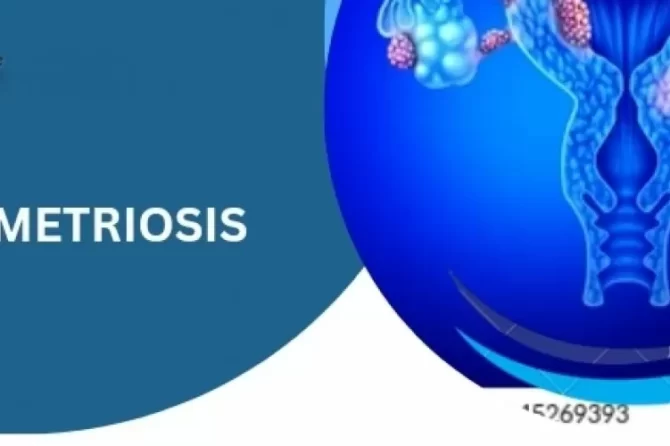
    Endometriosis is a chronic and often debilitating disease that affects millions of women worldwide. Despite being a common condition, endometriosis often goes undiagnosed for many years due to a lack of understanding and awareness of the symptoms. In this blog, we will explore the causes, symptoms, and treatment options for the disease and provide insights into why this silent disease deserves more attention and recognition. Endometriosis is a condition where tissue similar to the lining of the uterus grows outside of it, causing pain, infertility, and other symptoms. The tissue is called endometrial tissue and it grows in areas such as the ovaries, fallopian tubes, and other parts of the pelvic cavity. Each month, the endometrial tissue responds to the hormonal changes in the body, just as the endometrial tissue in the uterus does, causing it to thicken, break down, and bleed. Unlike the endometrial tissue in the uterus, however, the tissue that grows outside of it has nowhere to go and can cause inflammation, scarring, and the formation of cysts and adhesions. Symptoms of Endometriosis  chronic pain, particularly during menstruation,   heavy and irregular periods, fatigue, and infertility.   pain during sexual intercourse,  bowel movements, and urination.  Despite these symptoms, the condition can be difficult to diagnose due to its non-specific nature and the tendency for symptoms to be mistaken for other conditions. Risk factors While the exact cause of endometriosis is not known, there are several risk factors that have been identified. Genetics One of the main risk factors for endometriosis is genetics. Women who have a close relative with the same condition are more likely to develop the condition themselves. Hormonal factors also play a role, as endometriosis is more common in women who have higher levels of oestrogen. The most common symptoms of endometriosis are Reproductive factors Reproductive factors such as early onset of menstruation, late onset of menopause, and having never given birth can also increase the risk of the disease. Women who have a history of pelvic infections or other medical conditions such as uterine abnormalities or immune system disorders may also be at higher risk. Lifestyle factors Lifestyle factors such as a high-fat diet, alcohol consumption, and lack of exercise have also been linked to an increased risk of endometriosis. It is important to note that while these risk factors may increase the likelihood of developing the disease, many women with the condition have no known risk factors. If you are experiencing symptoms of endometriosis such as painful periods, pelvic pain, or difficulty getting pregnant, it is important to speak with your healthcare provider to determine the best course of action Contact a gynecologist now Diagnosis and Treatment of Endometriosis Diagnosis of endometriosis is usually made through a combination of medical history, physical examination, and imaging tests such as ultrasound or MRI. In some cases, a laparoscopy may be needed to confirm the diagnosis and assess the extent of the disease. While there is no cure for endometriosis, there are several treatment options available to manage the symptoms and improve quality of life. One of the most common treatment options for endometriosis is medication. Hormonal therapies such as birth control pills, gonadotropin-releasing hormone (GnRH) agonists, and progestin can help regulate the menstrual cycle and reduce the growth of endometrial tissue. Pain relievers such as nonsteroidal anti-inflammatory drugs (NSAIDs) can also help manage the pain associated with endometriosis. Surgery may also be an option for women with severe endometriosis. Laparoscopic surgery, where small incisions are made in the abdomen to remove the endometrial tissue, can help improve symptoms and increase the chances of pregnancy. In some cases, a hysterectomy may be recommended to remove the uterus and ovaries. Complementary therapies such as acupuncture, dietary changes, and exercise may also be helpful in managing the symptoms of endometriosis. It is important to discuss these options with your healthcare provider to determine the best course of treatment for your individual needs. In conclusion, while there is no cure for endometriosis, there are several treatment options available to manage the symptoms and improve quality of life. It is important to work with your healthcare provider to determine the best course of action based on your individual needs and circumstances Why Endometriosis Deserves More Attention Endometriosis is a disease that affects millions of women worldwide and yet, it is often misunderstood, misdiagnosed, and under-treated. Despite its debilitating effects, the condition is often ignored or dismissed as “just period pain.” Women with endometriosis often have to endure years of chronic pain and infertility before receiving a proper diagnosis and treatment. In addition to the physical and emotional toll of the disease, endometriosis can also have a significant impact on a woman’s quality of life and career. Women with the said disease may have to take time off work due to pain and fatigue, miss important events, and struggle with the financial burden of treatment and lost income. Conclusion Endometriosis is a complex and often debilitating disease that affects millions of women worldwide. Despite its prevalence, endometriosis is often misdiagnosed, misunderstood, and under-treated. Women with endometriosis deserve more attention, recognition, and support as they navigate the physical and emotional challenges of this disease. By increasing awareness and understanding of the disease, we can help women receive proper diagnosis, treatment, and support as they navigate this silent disease. If anyone has concerns related to endometriosis and wants to connect with the best doctors, then sign up to the MediPocket world and get the best treatment directly from the United States.

    Read more
  • Infertility in India

    Infertility in India

    Infertility affects some women for various reasons, but some see it as a problem that undermines women’s self-esteem. In India, where approximately 30 million women are infertile, they face discrimination and stigma for the rest of their lives. Women who undergo some problems due to infertility issues are more likely to experience mental distress, social exclusion, and, in the worst-case scenario, abandonment. Many parts of the country expect women to bear children naturally without the use of other methods (IVF and surrogacy), and when women choose to use any of the aforementioned techniques, they are shunned even more. Infertility in Men While infertility in women is frequently discussed, for many men, the same condition is an unseen source of distress. Women voluntarily test for fertility issues, whereas men never consider it because they are afraid of losing their self-esteem. Women who have ovarian and tubal disorders, as well as thyroid dysfunctions and mental health issues, are more likely to have fertility issues. Poor lifestyle, poor sperm quality, hormonal imbalance, and other factors contribute to the problem in men. Consult with gynecologist Why the stigma? We know that infertility is a social stigma in India, but we don’t know why. Because of the life course theory. Life course theory, which women believe is their part of life, is conception, pregnancy, and childbirth. When they fail to complete these tasks, they are ashamed and fear losing their dignity as a result of a judgmental society. Men and women will most likely experience mental health issues as a result of fertility issues. However, this is a much larger issue in India due to a lack of mental health education and therapists. Mental health, like infertility, is a stigmatised issue that prevents both men and women from seeking and receiving treatment. Solution It is past time for people to put aside their prejudices and work on developing new techniques that can help both men and women with fertility issues. In-vitro fertilization In-vitro fertilization (IVF) is a type of assisted reproductive technology that involves fertilizing an egg with sperm outside of the body, in a laboratory dish. The fertilized egg, or embryo, is then transferred to the woman’s uterus, where it may implant and result in a pregnancy. IVF is used to treat infertility in couples who are unable to conceive naturally or who have other fertility issues. It can be a complex and expensive process, but it has helped many couples achieve their dream of having a child. IVF may also be used in conjunction with other assisted reproductive technologies to improve the chances of success. Benefits of In-Vitro fertilization IVF offers a range of benefits to individuals and couples struggling with infertility. Firstly, it can be used to overcome a wide variety of fertility issues, including blocked or damaged fallopian tubes, low sperm count, and advanced maternal age. Additionally, IVF offers a higher success rate compared to other fertility treatments, and allows for genetic testing of embryos prior to implantation. Finally, IVF can also offer psychological benefits, giving individuals and couples struggling with infertility a greater sense of control over their reproductive choices. Surrogacy Surrogacy is another option for women. Surrogacy is the practice of implanting a woman’s eggs and fertilised sperm into another woman’s womb, and the woman who voluntarily carries the baby is referred to as a surrogate mother. Because it involves a third party in the pregnancy process, this technique is highly discriminated against among Indians. Women can use this technique if they have medical issues or a career to focus on. Benefits of surrogacy  The benefits of surrogacy are numerous, including providing a pathway to parenthood for individuals and couples who are unable to conceive due to medical conditions or other factors. Surrogacy also allows for genetic linkage to the child, which can be important for some parents. In addition, surrogacy provides a safer and more controlled environment for pregnancy, reducing the risks of complications for both the surrogate and the child. Finally, surrogacy can provide a sense of empowerment and fulfillment for the surrogate, who is able to help others create a family. Subscribe to MediPocket world to get surrogacy service from the United States. Contact Us Adoption Adoption is the legal process by which a person or couple becomes the legal parent of a child who is not biologically their own. It is a means of providing a permanent family and home for a child who may not have one. Adoption can provide numerous benefits to both the adoptive parents and the child, including providing a stable and loving family environment, giving the child access to resources and opportunities they may not have had otherwise, and offering a sense of fulfillment to the adoptive parents. Adoption can be a complex and emotional process, but it can also be incredibly rewarding for all involved.There are many children in adoption centres who are waiting for a forever home. Adopting a child not only changes a parent’s life, but it also provides an orphaned child with a place to live and people to love. Nonetheless, it is past time for Indians to accept people with fertility issues and encourage them to never feel bad about themselves. Spreading awareness about men infertility While it can be difficult to talk about, it is important to spread awareness about the issue in order to reduce the stigma and encourage more men to seek help. One effective way to spread awareness about male infertility is to start a conversation. This can involve talking to friends, family members, or colleagues about the issue, and sharing personal experiences or stories of others who have struggled with infertility. Social media can also be a powerful tool for spreading awareness, as it allows for a wider reach and can help to connect individuals with resources and support groups. Another way to raise awareness about male infertility is to organize or participate in events that focus on the issue. This can include walks, runs, or other fundraising events

    Read more
  • Male and female infertility

    Male and female infertility

    Infertility is a condition that affects both men and women for a variety of reasons. Female infertility is common, whereas male infertility is rarely discussed, particularly in India. Even though it is a medical condition that prevents women from having children, some regions in India do not recognise it as such, instead viewing it as a discriminatory and stigmatizing issue. A woman who is unable to conceive is dependent not only on herself, but also on men. Men can experience infertility for a variety of reasons. Let us talk about it to learn more. Women infertility In India, approximately 28 million women are affected by infertility.. It is a complex issue that can have a variety of causes, including hormonal imbalances, problems with the reproductive organs, or underlying medical conditions. Infertility can have a profound impact on a woman’s emotional and mental well-being, as well as on her relationships and overall quality of life. However, with advances in medical technology and fertility treatments, many women are able to overcome infertility and achieve their dream of starting a family. Early diagnosis and treatment are key to improving the chances of success. Fallopian tube The fallopian tube is a female reproductive organ that connects the ovaries to the uterus. It is a narrow tube that is lined with cilia, tiny hair-like projections that help move the egg towards the uterus. The fallopian tube plays a crucial role in fertilization, as it is where the sperm typically meets the egg. After fertilization, the fertilized egg then travels through the fallopian tube to the uterus, where it can implant and develop into a fetus. Any damage or blockage to the fallopian tube can impact a woman’s fertility, making it difficult to conceive naturally.In the event of a pregnancy, the fallopian tubes are crucial. As a result, when they are partially or completely blocked or damaged, the chances of women becoming pregnant are drastically reduced. Tube damage can be caused by surgical issues, ectopic pregnancy, or endometriosis. Endometriosis Endometriosis is a medical condition that affects the reproductive system in women. It occurs when tissue similar to the lining of the uterus grows outside of it, causing inflammation and pain. This tissue can attach to other organs in the pelvic area, such as the ovaries or fallopian tubes, and can cause scarring and infertility. Endometriosis can cause severe pain during menstrual periods, intercourse, and bowel movements. It is a chronic condition that affects millions of women worldwide, and it can significantly impact their quality of life. Early diagnosis and proper treatment can help manage the symptoms and prevent complications.. Endometrial tissues may enter the abdominal tissue and attach themselves to the organ. Hormonal imbalance Hormonal imbalances can be a common cause of infertility in both men and women. In women, hormonal imbalances can affect ovulation and prevent the release of eggs necessary for fertilization. Common hormonal imbalances that affect fertility in women include thyroid disorders, polycystic ovary syndrome (PCOS), and irregular menstrual cycles. In men, hormonal imbalances can affect sperm production and quality, and can be caused by conditions such as hypogonadism or pituitary disorders. Treatment for hormonal imbalances may involve lifestyle changes, medications, or hormone therapy to regulate hormone levels and improve fertility. Seeking medical advice from a fertility specialist can help diagnose and treat hormonal imbalances related to infertility. Other causes of female infertility include tube abnormalities and antibodies against sperm and oocytes. Talk to a gynecologist expert now Men infertility In India, approximately 20 million men are infertile. Male infertility refers to a man’s inability to father a child due to low sperm count, abnormal sperm function, or other issues related to sperm health. It can be caused by a variety of factors, including genetic abnormalities, hormonal imbalances, infections, and lifestyle choices such as smoking, drug use, and excessive alcohol consumption. Male infertility can be diagnosed through semen analysis and other tests, and treatment options include medications, lifestyle changes, and assisted reproductive technologies such as in vitro fertilization (IVF) and intrauterine insemination (IUI). Men experiencing infertility should seek the guidance of a healthcare professional to determine the underlying cause and discuss appropriate treatment options. Imperfect sperm maturation Male infertility can begin with sperm maturation problems. Perfect production requires a normal percentage of 20 milligrammes per millilitre and 30% normal formed sperm. Sperm maturation is hampered when the number is reduced. Low-quality sperm cannot enter oocytes due to a variety of factors such as the environment, tobacco use, endocrine disorders, and so on. Vas deferens The vas deferens is a tube that carries sperm from the testicles to the urethra in the male reproductive system. It is a long, muscular tube that is responsible for propelling sperm through the male reproductive tract during ejaculation. The vas deferens plays a critical role in male fertility and is essential for natural conception. In some cases, the vas deferens may be obstructed or damaged, leading to male infertility. Treatment options for vas deferens issues may include surgical intervention or assisted reproductive technologies, such as in vitro fertilization (IVF) or intrauterine insemination (IUI). Just as fallopian tube defects cause infertility in women, vas deferens obstruction prevents sperm cells from entering the woman’s body. Causes include vasectomy and epididymitis. Does India accepts it? While India is still lagging behind in terms of accepting infertile women and men, the stigma surrounding alternative options such as IVF and surrogacy persists. It is past time for people to accept and embrace surrogacy and IVF because for some, these options can bring new life and purpose to their lives. MediPocket World raises awareness about surrogacy among Indians and hopes to assist every other Indian couple in bringing a bundle of joy into their home. Subscribe to learn more.  

    Read more

Photostream